
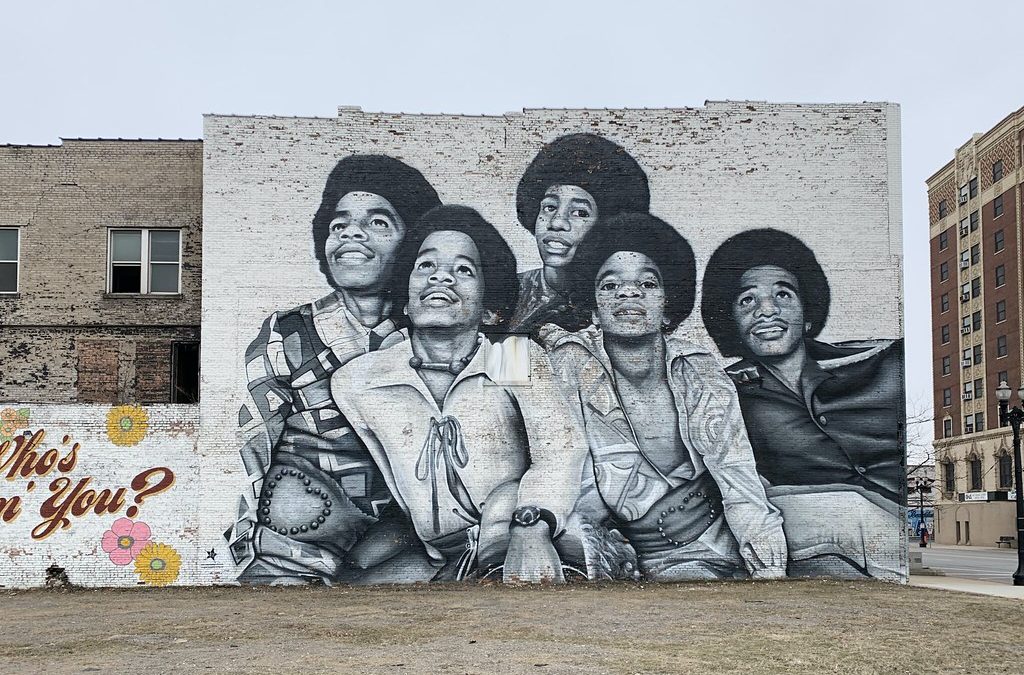
Gary, Indiana isn’t just rebuilding; it’s repositioning.
Many Americans still associate Gary with the rise and fall of the steel industry, along with the musical legacy of the Jackson 5. Today, however, Gary isn’t trying to win hearts. It’s trying to win market share.
It’s doing so with a clear competitive ambition: positioning itself as a serious contender for the Chicago Bears . . . and, in the process, forcing a fresh look from developers, residents, and visitors who otherwise might not consider Gary at all.
This is a deliberate strategy: leveraging national interest in an NFL franchise to expand the city’s effective footprint and compel consideration by audiences well beyond its traditional reach.
While Bears leadership remains publicly committed to Chicago, the team has been candid about exploring alternatives in Northwest Indiana, including Gary. And recently, The Bears surveyed season ticket holders on their thoughts about relocating to Northwest Indiana. These moves alone signal a shift. Under the leadership of Mayor Eddie Melton, Gary is no longer competing primarily on low cost of living. Instead, it is using the pursuit of the Bears to ensure the city’s broader economic viability is more clearly and widely communicated.
The former steel town sits roughly 30 miles from downtown Chicago, long viewed as one of several Chicagoland bedroom communities. Now, Gary appears to be writing a different chapter. Whether or not that chapter includes an NFL team, the city is forcing a conversation about what it means to prepare for growth on purpose.
By leveraging consideration from the Bears, Gary is giving its resurgence a voice that extends far beyond athletics – reaching audiences essential to developing the city to its full potential.
Evidence of that readiness includes:
- Nearly $4 billion in new public and private investment, including a $100 million convention center
- Emphasis on proximity to Chicago with logistical leverage (I-80/94, South Shore Line, Gary/Chicago International Airport)
- A leadership mindset focused on regional opportunity, not local limits
We view this as a signal that regional competition is real. Legacy cities are better served articulating their value proposition, not just their need, to key audiences in their regional markets.
With or without the Bears, Gary’s move ensures that corporate site selectors, investors, and relocating residents are now exposed to:
- The city’s economic ambition and readiness
- Its investable progress
- Its emerging value proposition as part of the greater Chicago region
Gary offers a clear case study in how legacy cities can reposition themselves to compete for capital, talent, and relevance. In today’s market, the cities that win are not those that ask for help, but those that demonstrate tangible readiness to audiences that matter.